








































Washing and durability of DTF transfers
Wash and care for your DTF transfers to extend their durability: ideal temperature, drying, ironing, storage.

DTF transfers are appreciated for their versatility, their print quality and their good durability over time.
But as with any textile marking technique, the durability of a DTF transfer depends on both the quality of the printing, proper application to the textile… and maintenance after application.
A well-printed, well-pressed and properly maintained DTF transfer can retain excellent appearance through many washes. To extend the lifespan of your markings, here are the best practices to know.
Machine Wash
Do DTF transfers hold up well to washing?

Yes, a quality DTF transfer generally offers very good wash durability when it is:
- printed under good conditions,
- applied correctly with the right heat press parameters,
- used on suitable fabric,
- cared for according to proper recommendations.
DTF is appreciated by many professionals precisely for its ability to offer:
- good wash resistance,
- good color retention,
- good detail durability,
- good flexibility on many fabrics.
⚠️ As always, actual durability depends on several factors: transfer quality, application quality, fabric type, washing frequency, temperature, drying, and usage conditions.
👉 It is recommended to wash fabrics inside out!
durability
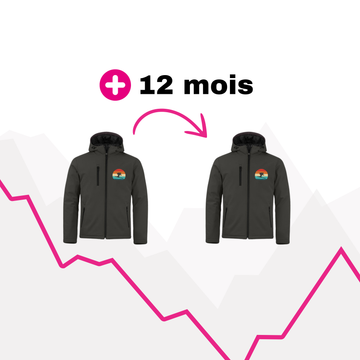
How long does a DTF transfer last?
There is no universal duration, as the longevity of a DTF marking depends on:
- the type of textile
- the quality of the transfer
- the quality of the application
- the conditions of use
- the frequency of washing
- the compliance with care instructions
In practice, a well-executed and well-maintained DTF transfer is designed to offer good durability over time, including with regular use.
To keep a marking clean, sharp and durable, proper care plays an essential role.

cleaning conditions
How to wash a textile with a DTF transfer?
To preserve marking quality as much as possible, here are the most important recommendations.
1. Wash at 30°C or 40°C maximum
To protect the transfer and extend its lifespan, we recommend washing at 30 °C, or 40 °C maximum.
Temperatures that are too high can:
- weaken the marking over time,
- affect color durability,
- increase the risk of deformation or premature aging.
👉 Best practice: choose 30 °C whenever possible.
2. Always wash the garment inside out
Before putting the textile in the washing machine, turn it inside out.
This helps reduce:
- direct friction with the drum,
- abrasion against other garments,
- premature wear of the printed surface.
👉 This is one of the simplest and most effective habits to extend the durability of a DTF transfer.
3. Use a gentle detergent
Choose a regular or gentle detergent, without overly aggressive agents.
It is best to avoid:
- bleach
- powerful whitening agents
- certain overly abrasive products
- excessive use of aggressive additives
These products can affect:
- color vibrancy,
- the appearance of the print,
- and overall the durability of the printed textile.
4. Avoid overly intensive cycles
When possible, prefer:
- a regular or delicate cycle
- moderate spin
- washes suited to the fabric type
Overly aggressive or frequent washing can accelerate wear, just like with any personalized garment.
Can you put a DTF garment in the dryer?
Tumble drying is not recommended, especially at high temperatures.
Excessive heat can, over time:
- tire the marking,
- accelerate transfer aging,
- alter the flexibility of the design,
- impact overall durability depending on the textiles.
Recommendation:
- prioritize air drying
- if tumble drying is essential, use a low temperature setting and proceed with caution
👉 To maximize durability, natural drying remains the best option.

Ironing
Can you iron a textile with a DTF transfer?

Yes, but with caution.
Never iron directly over the print.
To iron a personalized DTF textile:
- turn the garment inside out
- or use parchment paper
- or place a thin protective fabric between the iron and the print
- use a moderate temperature
👉 Direct contact of a hot iron on the transfer can damage the design.
What factors influence the durability of a DTF transfer?
The durability of a DTF transfer depends on more than just washing. Several factors play an important role.
1. Transfer quality
Not all DTF transfers are equal.
Print quality, inks, consumables, film, powder, and process control directly influence the final result.
2. The type of textile
Depending on the fabric, texture, elasticity or garment use, durability may vary.
3. Application quality
Even a good transfer can deteriorate poorly if application is not done with the right parameters:
- correct temperature
- correct pressure
- correct pressing time
- correct textile
- compliance with peeling instructions
4. Actual garment use
A fashion textile worn occasionally does not have the same constraints as:
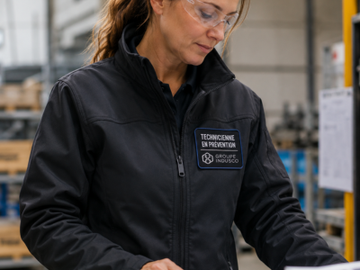
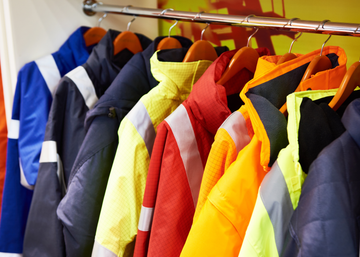
- workwear
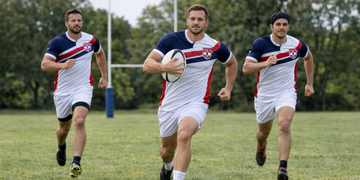
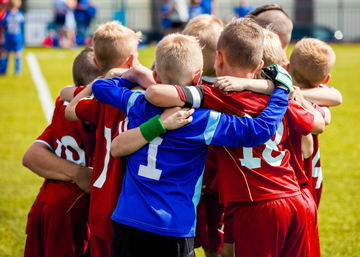
- sports jersey
- tote bag used daily
- fabric washed very frequently
The Essentials
How to extend the lifespan of a DTF print?
Here are the best practices to remember:
- wash the textile inside out
- prefer washing at 30 °C
- do not exceed 40 °C
- use gentle detergent
- avoid bleach
- avoid high temperature dryer
- prefer air drying
- never iron directly over the transfer
- follow application instructions from the start
👉 In summary: a good transfer + proper application + proper care = more durable print.
storage
Can DTF transfers be stored before application?
Yes, DTF transfers not yet applied can generally be stored for several months, provided good storage conditions are respected.
Storage recommendations:
- keep transfers away from moisture
- avoid significant temperature fluctuations
- store flat if possible
- avoid environments that are too hot or too cold
- protect transfers from dust and friction
👉 Clean and stable storage helps preserve transfer quality before pressing.
Summary
In summary: is DTF durable?
Yes, DTF transfer is a solution recognized for its good durability, provided you follow best practices.
To achieve the best possible result:
- choose quality transfers
- apply them with the correct application parameters
- follow the care instructions
- adapt usage to the type of textile
At Sherpa Transfert, we always recommend following best practices for application and care to ensure optimal durability of your textile prints.
Frequently asked questions about DTF washing and durability
Does DTF hold up to washing?
Yes, a quality DTF transfer that is properly applied and maintained generally offers excellent wash durability.
At what temperature should you wash a garment with a DTF transfer?
We recommend washing at 30 °C, or 40 °C maximum.
Should You Wash DTF Textiles Inside Out?
Yes, it is strongly recommended to wash the garment inside out to minimize friction on the marking.
Can you put a DTF garment in the dryer?
This is not recommended, especially at high temperature. Air drying remains the best option.
Can you iron a DTF transfer?
Yes, but never directly on the design. Iron on the reverse side or with protection.
How long can DTF transfers be stored before application?
DTF transfers can generally be stored for several months if kept dry, at stable temperature and away from moisture.


